How Can a Period Underwear Manufacturer Support Bulk Orders?
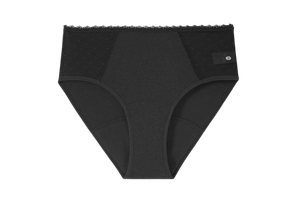
A certified period underwear manufacturer supports bulk orders exceeding 100,000 units by operating ISO 9001-compliant facilities with daily outputs of 25,000 pieces. Utilizing automated multi-ply laser cutters with ±0.3 mm precision and high-speed ultrasonic bonding machines operating at 20 kHz, these factories achieve 99.8% seam integrity across four-layer technical textiles. Integrated raw material supply chains maintain 60-day safety stocks of OEKO-TEX certified fabrics, reducing production lead times from 90 days to 35 days while maintaining strict batch quality.
Bulk production stability begins with raw material control, where mill partners hold 150,000 meters of technical fabrics in humidity-controlled warehouses to survive demand spikes.
This raw material stock feeds directly into automated cutting systems capable of slicing through 50 layers of heavy bamboo terry in under 45 seconds.
Automated spreading machines reduce fabric tension by 85%, preventing material distortion before the laser blades make a single cut.
Precise cutting feeds into high-speed assembly zones where dedicated lines process specific garment sections concurrently.
Each line uses 20 kHz ultrasonic welding units to bond the polyurethane laminate barrier without using sewing needles, eliminating micro-punctures.
| Production Stage | Machinery Used | Daily Output Volume | Error Tolerance Rate |
| Fabric Spreading & Cutting | Multi-ply Laser Cutter | 30,000 pattern sets | ±0.3 mm |
| Absorbent Core Assembly | Ultrasonic Seam Welder | 18,000 core units | 0.05% leak rate |
| Outer Shell Stitching | 4-Needle 6-Thread Flatlock | 12,000 complete garments | 0.2% thread skip |
| Quality Inspection | Automatic Needle & Fluid Sensor | 25,000 inspected items | Zero metal residue |
These automated assembly lines feed straight into quality testing stations, where every lot undergoes physical fluid capacity validation.
Laboratory technicians draw 20 random samples from every 1,000 finished units to measure absorption speed under simulated body pressure.
Testing procedures apply 25 milliliters of synthetic fluid under 0.5 psi pressure to simulate standard sitting conditions over an eight-hour period.
A professional period underwear manufacturer uses these pressure metrics to adjust fabric densities and maintain absorbency ratings up to 50 ml.
Passing these tests allows the batch to proceed into final packaging, where automated folding machines process 1,200 units every hour.
Finished packages move directly into vacuum-sealing chambers that compress shipping volume by 40% for maritime transit.
Smaller container volumes lower overseas freight costs for buyers ordering 40-foot containers loaded with 80,000 packaged garments.
Containerized shipments utilize RFID tracking tags that update location logs every 12 hours from port departure to final warehouse delivery.
Logistics teams track these shipping nodes through integrated supply platforms, guaranteeing arrival windows within a 3-day margin.
Order tracking data feeds back into factory planning software to reserve raw materials for upcoming reorders six weeks in advance.
Advanced scheduling tools pull historical sales data from major retail clients to forecast fabric needs during seasonal sales events.
Factories reserve 30% of their total machine capacity for emergency reorders, allowing client brands to replenish stock in 21 days.
Buffer capacity prevents stockouts for retail partners when consumer demand surges by more than 150% during promotional quarters.
Maintaining this extra machine capacity depends on cross-trained operator teams that rotate across cutting, bonding, and packing lines based on volume.
Operators undergo 120 hours of technical training annually to manage specialized multi-layer sewing equipment without dropping output rates.
High operator efficiency keeps line reject rates below 0.4% across annual production runs totaling over 2,000,000 garments.
Low reject rates enable factories to offer tiered pricing structures that lower unit costs by 18% when order volumes double.